


Art and interior design: Everything you need to know
Over 60 percent of people notice how strongly art in their own home influences their mood. Interior design with art goes far beyond simply hanging pretty pictures and becomes a key to personal well-being and identity. Those who understand how art shapes emotions and atmosphere discover ways in which even small changes can improve their overall sense of well-being.
Table of contents
- Art and interior design explained in an easy-to-understand way
- Different styles and forms of expression in the space
- Emotional impact and symbolism of artworks
- Possible uses in residential and commercial spaces
- Sources of error and tips for harmonious design
Key findings
| Point | Details |
|---|---|
| Conscious selection of art | When designing your space, pay attention to artworks that convey emotional resonance and personal meaning. |
| Symbolism and emotion | Works of art should act as emotional messengers, filling spaces with depth and meaning. |
| Function in residential and commercial spaces | Differentiate your selection of artworks according to the context; personal stories in living spaces and professional values in business spaces. |
| Avoiding overloading | Ensure that artworks have enough space to unfold their impact without creating visual competition. |
Art and interior design explained in an easy-to-understand way
Interior design through art is more than just decorative wall art – it's a profound journey of self-discovery and self-expression. Every artwork you place in your space carries its own energy and story, which can transform your personal environment. Especially for those seeking authenticity and emotional depth, selecting art becomes an intuitive process of self-reflection.
The foundation of successful interior design lies in the conscious selection of artworks that not only appeal visually but also create a deeper connection to your inner emotional world. Emotional art can transform spaces into landscapes of the soul , subtly influencing your personal development and mood. It's about finding artworks that act as a mirror to your inner states—be it tranquility, passion, hope, or transformation.
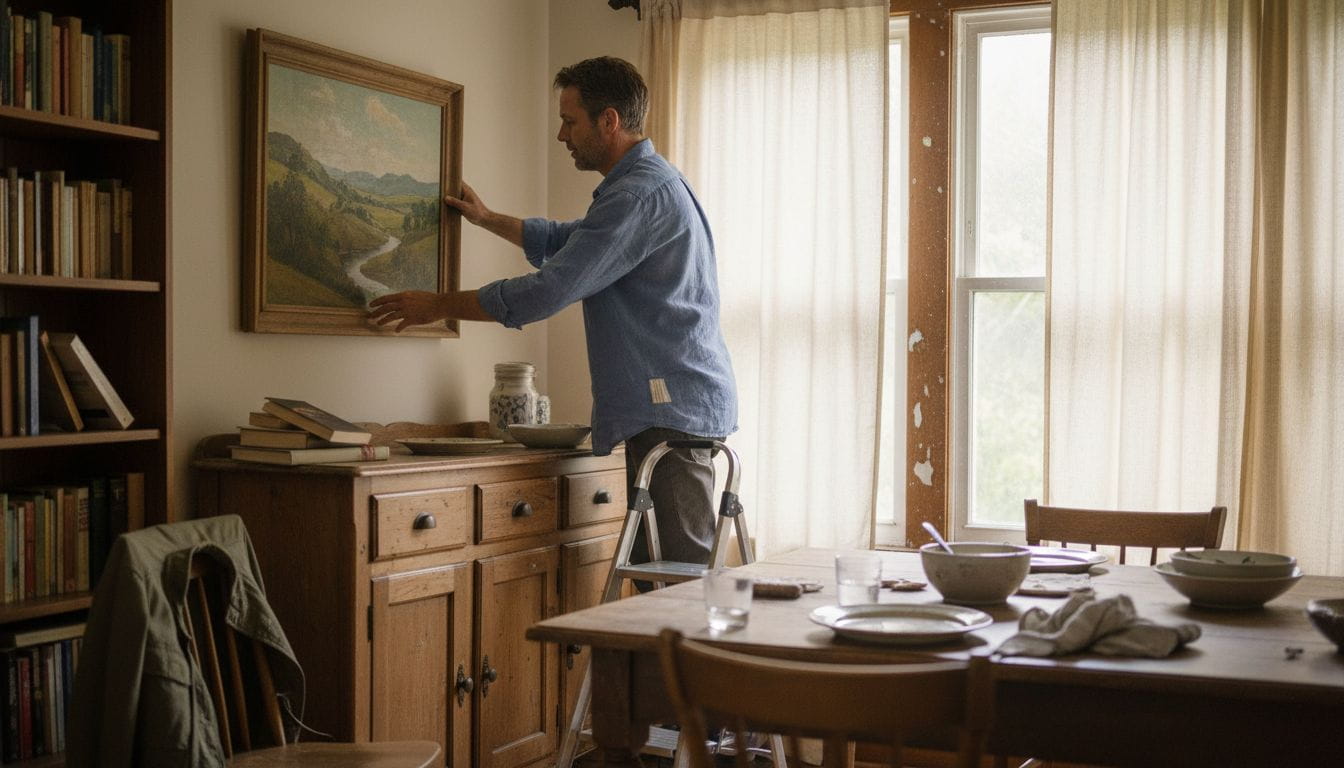
When selecting art for your interior design, you should consider three essential aspects: emotion, symbolism, and personal resonance. Look for artworks that tell a story, convey a mood, or have symbolic meaning. A minimalist poster with mythological motifs can be just as powerful as a richly detailed painting—what matters is the emotional connection you feel to the artwork. Trust your intuition and allow artworks to organically shape your spaces and reflect your personal development.
Different styles and forms of expression in the space
The art of interior design is a complex journey through diverse stylistic worlds, encompassing more than just decorative choices. Eclectic interior design offers a fascinating way to artfully combine past and present , giving spaces a unique and personal atmosphere.
Color plays a crucial role in creating different atmospheres in a space. Throughout architectural history, various eras have used color and light to shape spaces emotionally and visually , meaning that every color choice is more than just an aesthetic decision—it is a communication of feelings and energies.
The main styles in interior design encompass various approaches: from minimalist Scandinavian design with its clean lines and neutral tones to opulent Baroque with lavish ornamentation. Wall art can perfectly underscore these stylistic nuances , defining the character of a room as a visual accent or dominant element. The key is to choose a style that is not only visually appealing but also reflects your personal identity and emotional world.
Emotional impact and symbolism of artworks
Artworks are far more than decorative elements – they are emotional messengers that fill spaces with meaning and depth. Interior design allows materials, colors, and narratives to be used strategically to create an emotional resonance , transforming artworks into powerful means of communication.
The symbolic dimension of art opens up a complex language of feelings and thoughts. Every artwork carries its own story and layer of meaning that extends beyond mere visual perception. Mythological motifs, abstract forms, or figurative representations can evoke deep psychological resonances and act as silent conversational partners in your space.
Understanding the emotional impact of artworks involves more than aesthetic evaluation. Discovering the layers of meaning in paintings requires openness and a personal connection . A work of art can radiate tranquility, awaken passion, convey hope, or symbolize transformation—depending on the inner processes it triggers in viewers. The emotional intelligence of a space is significantly determined by the conscious selection of artworks.
Possible uses in residential and commercial spaces
The art of interior design differs fundamentally between private living spaces and professional business premises. In residential spaces, artworks function as personal narratives, creating intimacy and emotional depth. Wall art can transform living rooms into individual landscapes of the soul , reflecting your personal identity and life experiences.
In business premises, art fulfills a more complex function: it communicates company values, creates a professional atmosphere, and subtly influences the perceptions of customers and employees. Inspirational artworks can transform business spaces into meaningful environments that go beyond mere decoration.
When selecting artwork for different spaces, context-specific aspects are crucial. In living areas, artwork should tell personal stories and have a calming or inspiring effect. In offices and commercial spaces, artwork should be professional, motivating, and appropriate to the company culture. The art of interior design lies in finding the right balance between aesthetics, emotion, and functionality.
Sources of error and tips for harmonious design
The art of interior design requires a sensitive understanding of proportions, colors, and emotional resonance. One of the most common mistakes is the unreflective placement of artworks that visually weigh down the room or disrupt its natural harmony. When selecting canvas prints, subtle nuances play a crucial role in creating a balanced and inspiring atmosphere.
Another challenge lies in cluttering spaces with too many visual elements. Less is often more – each artwork should have room to breathe and not compete with other decorative elements. Creating a gallery at home requires a conscious interplay of emptiness and presence , allowing each piece to unfold its own meaning.
When creating harmonious art compositions, a few basic principles are helpful: Pay attention to color harmonies, respect the wall surfaces, and choose motifs that resonate with you personally. Avoid placing artwork arbitrarily—each picture should be a conscious choice that contributes to the overall aesthetic of the room. Successful interior design arises from the sensitive interplay of art, space, and individual personality.
Discover the power of art for your interior design
The conscious selection of artworks is key to filling your spaces with emotional depth and personal symbolism. If you're wondering how to make this inner connection visible and transform your rooms into true landscapes of the soul, Curiocanvas offers precisely the inspiration and selection you're looking for. Our works combine emotional expressiveness , mythological motifs , and a minimalist-luxurious aesthetic that will elevate your interior design to a new level.
Start your personal art journey now and discover, for example, our unique wall art gallery "Flames Kisses Time and Compass ." Each artwork is more than just decoration; it speaks to your soul and transforms your rooms into meaningful living spaces. Let yourself be guided by the poetry of art and turn your walls into a powerful statement. Design with us today and experience the difference. You can also find more inspiration on our page "Artwork as a mirror of your soul" – Discover Homepage – Curiocanvas .
Frequently Asked Questions
How does art influence interior design?
Art contributes to the emotional depth and personal identity of a space. It can express moods and shape the atmosphere by conveying visual and emotional messages.
What aspects should I consider when selecting artwork for my rooms?
Pay attention to emotion, symbolism, and personal resonance. Works of art should tell a story or convey a mood that resonates with your emotional world.
What is the difference between art in living spaces and in business spaces?
In living spaces, art reflects personal stories and creates intimacy. In business spaces, it communicates company values and influences the perceptions of customers and employees.
What mistakes should I avoid when decorating a room with art?
Avoid overcrowding your artwork and ensure each piece has enough space to make an impact. Less is often more – choose carefully to create harmonious compositions.