


Emotional Art in the Home: The Complete Guide
Even a single artwork can completely transform the feel of a room. Those who decorate their living spaces with emotionally resonant art experience more than just beautiful walls – a tangible connection between people and their surroundings is created. Studies show that consciously contemplating art can significantly enhance well-being. Here you'll learn how emotionally resonant art not only decorates but also evokes genuine feelings and transforms your home into an inspiring sanctuary.
Table of Contents
- What is emotional art for living spaces?
- Different styles and forms of emotional art
- How emotional art influences well-being
- Criteria for selecting suitable works of art
- Common mistakes with emotional art in interior design
Key findings
| Point | Details |
|---|---|
| Emotional art as a means of expression | Emotional art reflects our inner feelings and brings personal stories and emotions into our living spaces. |
| Diverse styles and techniques | Various forms of expression, such as Neo-Expressionism and Conceptual Photography, convey complex emotional landscapes. |
| Well-being through art | Art can improve psychological well-being by reducing stress and activating positive emotional processes. |
| Criteria for art selection | When selecting artworks, emotional resonance and personal meaning should be the primary focus, not just aesthetic aspects. |
What is emotional art for living spaces?
Emotional art is more than just a decorative element on the wall. It is a powerful means of expression that creates deep psychological and spiritual resonance in our personal spaces. Instead of mere decoration, it becomes a mirror of our inner emotional world, a visual language that communicates moods, memories, and dreams.
The essence of emotional art lies in its ability to convey authentic feelings. It goes far beyond aesthetic beauty, creating a deep connection between the artwork and the viewer. Such a piece tells a story, evokes emotions, and transforms a simple space into a meaningful environment. Choosing canvas prints: A guide to perfect wall art can help you find the right pieces.
The characteristics of emotional art include:
- Strong symbolic meaning
- Deep narrative elements
- Authentic portrayal of emotions
- Personal interpretations
- Transformative effect on the space
When we integrate emotional art into our living spaces, we create more than just decoration.
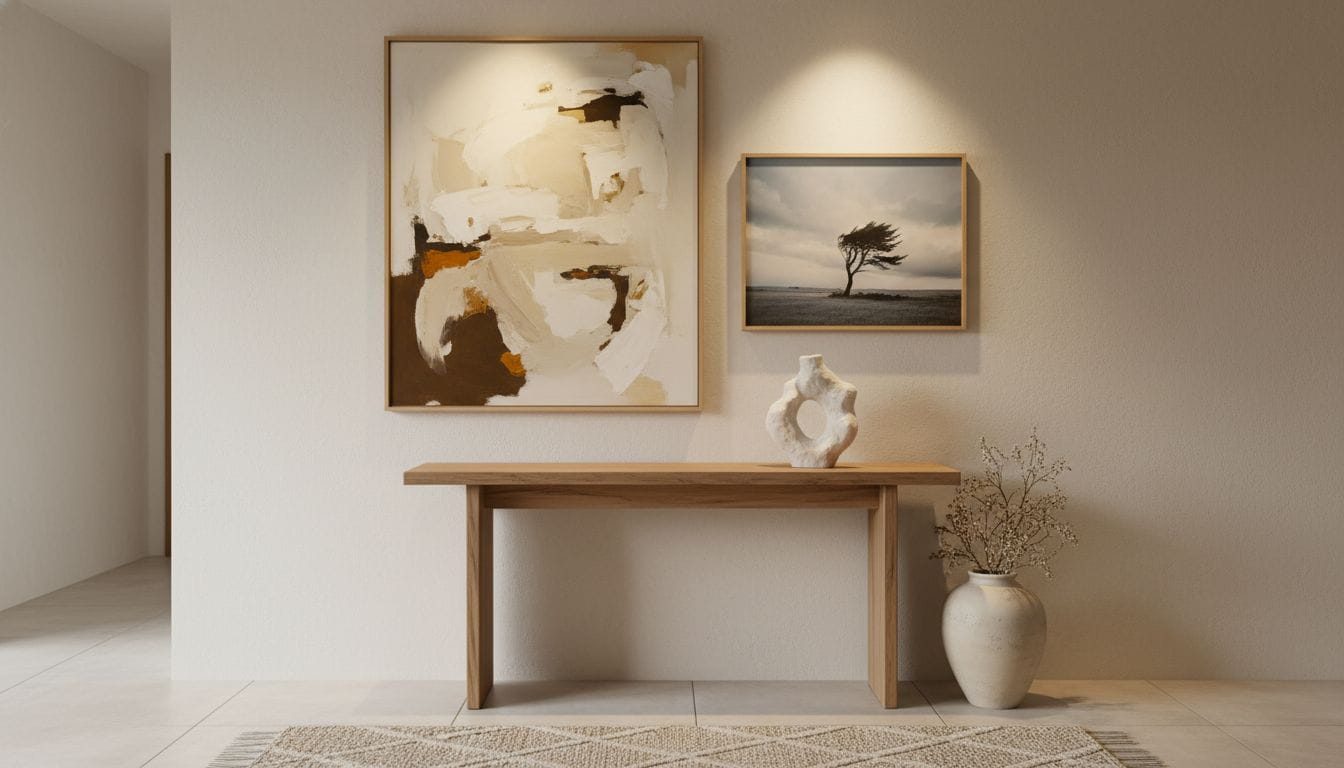 We are creating a space that reflects our identity, our journey, and our innermost feelings. It's about transforming walls into poetry and giving deeper meaning to every square meter.
Different styles and forms of emotional art
Emotional art encompasses a diverse range of expressions deeply rooted in human feelings and experiences. Artistic styles reflect various emotional landscapes, from intensely expressive depictions to subtle conceptual interpretations.
Neo-Expressionism offers a striking example of an emotional art form. According to Wikipedia, this style emerged in the 1960s as a reaction to Art Informel and is characterized by figurative painting with expressive use of color. Artists of this movement employed bold colors and dramatic compositions to communicate raw emotional states.
Other important forms of emotional art include:
- Abstract expressiveness : emotions through color and movement
- Conceptual Photography : Spatial and Psychological Deconstruction
- Symbolist painting : Metaphorical representation of inner states
- Performance art : Physical and direct emotional manifestation
A fascinating example of conceptual art practice can be found in the work of Susa Templin , an artist who engages with photographic media. Her works deconstruct and reconstruct photographically captured spaces and examine their emotional impact. This illustrates how art can not only represent but also explore psychological spaces.
While *Art as an Expression of the Soul: Complete Guide* offers further insights, the central characteristic of emotional art remains its ability to make invisible inner worlds visible. Every style, every technique is a window into the human soul.
How emotional art influences well-being
Emotional art is more than an aesthetic element – it is a powerful tool for enhancing our psychological and emotional well-being. An international study led by the University of Vienna shows surprisingly clearly that repeatedly viewing art can increase our perceived meaning in life.
The psychological mechanisms of emotional art are complex and multifaceted. They activate different brain regions, stimulate emotion centers, and can trigger positive neurochemical processes. Similar to Anselm Wagner's research on architecture and emotion , visual stimuli can deliberately evoke emotional responses and have a lasting impact on our mood.
The central mechanisms of emotional art include:
- Stress reduction through visual calming
- Activating positive memories
- Promoting self-reflection
- Strengthening emotional intelligence
- Creating a sense of connection
Interestingly, seven ways to discover the meaning of canvas paintings can help us consciously integrate this transformative power of art into our everyday lives. Art thus becomes more than decoration – it becomes a window to our soul, a mirror to our feelings, and a catalyst for personal growth.
Criteria for selecting suitable works of art
Choosing art is a deeply personal journey that requires more than just aesthetic considerations. According to Bettina Egger , a renowned art therapist, the selection of artworks should primarily be based on individual preferences and emotional responses. It's not about perfect decoration, but about an authentic connection.
Spatial conditions play a crucial role in the integration of art. As the article on space (architecture) illustrates, spaces are defined by walls, ceilings, and floors. A harmonious selection of art takes these architectural elements into account and creates a seamless connection between the artwork and its surroundings.
Key criteria for art selection include:
- Emotional Resonance
- Personal significance
- Color harmony with the room
- Size and proportion
- Authenticity of the artwork
When searching for the perfect artwork , looking at inspiring, meaningful pieces can open up new perspectives. Ultimately, art is a language of the soul – it should speak, touch, and create a deep, personal connection.
Common mistakes with emotional art in interior design
Emotional art integration is a subtle art where small mistakes can completely negate the intended effect. The most common pitfalls often arise from a lack of understanding of the deeper meaning of artworks in personal spaces.
A serious mistake is the unreflective selection of artworks without an emotional connection. Many people buy art simply as decoration, without questioning what story or emotion the work truly conveys. This leads to sterile, interchangeable wall decor that evokes no personal resonance.
Critical errors in art integration include:
- Ignoring the energy and atmosphere of the space
- Art formats that are too small or too large
- No consideration given to color harmony
- Overcrowding of wall surfaces
- Artworks without personal meaning
Decorating your living room with art: Your unique style can provide additional inspiration. Ultimately, it's about understanding art not as an accessory, but as an expression of your own soul – a window to your feelings and experiences.
Bring emotional art into the heart of your home.
The quest for authentic, emotionally resonant art for your home calls for artworks that not only adorn walls but also reflect your innermost feelings and transform your spaces into meaningful sanctuaries. If you're looking for art that brings intense emotions, personal stories, and spiritual depth into your everyday life, Wall Art Gallery Flames Kisses Time and Compass – Curiocanvas offers a carefully curated selection that fulfills precisely these desires.
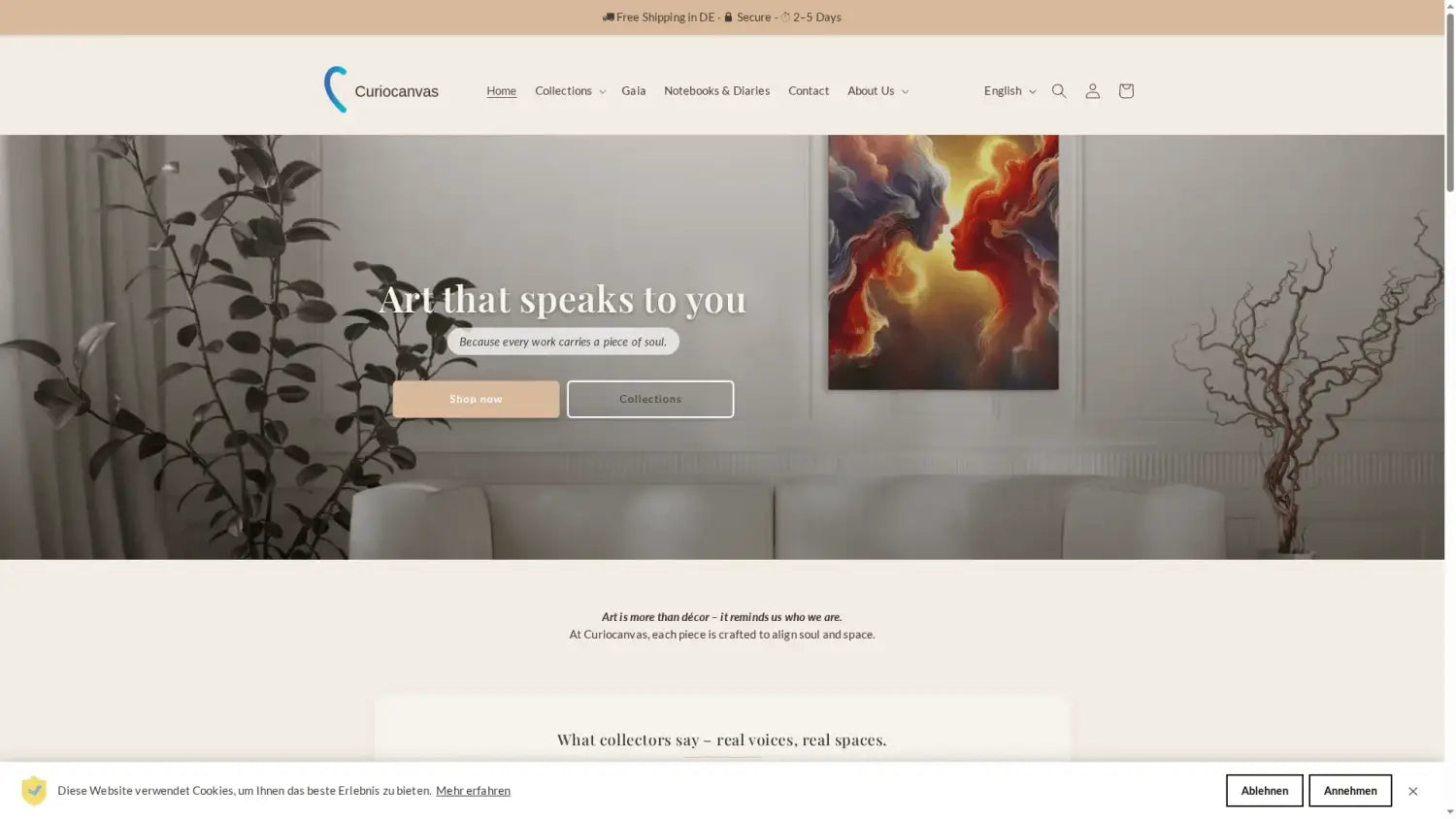
Take this opportunity to discover high-quality canvas prints and artistic artwork that not only impress aesthetically but also speak to your soul. Let yourself be inspired by the artwork as a mirror of your soul on the Curiocanvas Discover Homepage and transform your living spaces into emotional havens of well-being. Visit https://curiocanvas.de and begin your journey to a home with profound meaning and a comforting atmosphere.
Frequently Asked Questions
What is emotional art?
Emotional art is a powerful means of expression that creates deep psychological and spiritual resonance in living spaces. It reflects our inner emotional world and creates a connection between the artwork and the viewer.
How can emotional art promote well-being?
Emotional art can reduce stress, activate positive memories, promote self-reflection and strengthen the feeling of connection, which overall contributes to increasing psychological and emotional well-being.
What styles exist in emotional art?
Significant styles in emotional art include Neo-Expressionism, Abstract Expressiveness, Conceptual Photography, Symbolist Painting, and Performance Art, each reflecting different emotional landscapes.
What criteria should be considered when selecting emotionally evocative artworks?
When selecting emotional artworks, emotional resonance, personal meaning, color harmony with the space, size and proportion, as well as the authenticity of the artwork are key criteria.
Recommendation
- Selecting Canvas Prints: A Step-by-Step Guide to the Perfect Curiocanvas
- Beautify your living room with art: Your unique style – Curiocanvas
- 7 ways to discover the meaning of canvas paintings – Curiocanvas
- What is Art History? Complete Guide 2025 – Curiocanvas
- How Interior Design Evokes Emotions | Manufaktur X
- Why Self-Actualization Should Be the Foundation—Not the Peak—of Our Ne – Eman's Gallery