


Art Print Framing Workflow: The Perfect Process for Art Lovers
Over 60 percent of Germans want more genuine emotion and individuality in their living spaces. Authentic art prints offer exactly that, transforming any wall into a personal statement. However, many art lovers face the challenge of harmoniously combining motif selection, frame size, and presentation. Those who understand a structured workflow can create true highlights from artworks and lend a unique atmosphere to any room.
Table of contents
- Step 1: Choose the appropriate art print design
- Step 2: Determine the ideal frame size
- Step 3: Prepare printing and framing materials
- Step 4: Carefully mount the art print in the frame.
- Step 5: Check precision and quality standard
- Step 6: Effectively present the framed artwork
Brief summary
| Important point | Explanation |
|---|---|
| 1. Choose the right design | When choosing an art print, pay attention to your personal preference and the atmosphere of the room. |
| 2. Determine the ideal frame size | Consider size, proportions, and art style for a harmonious frame selection. |
| 3. Use high-quality materials | Choose high-quality printing paper and frame materials for optimal durability and aesthetics. |
| 4. Carry out careful assembly | Ensure you have a clean work surface and use professional framing techniques. |
| 5. Presenting artwork effectively | Consider lighting conditions and room layout to enhance the emotional impact of the artwork. |
Step 1: Choose the appropriate art print design
Choosing the perfect art print is a deeply personal journey through emotions, taste, and individual aesthetics. Finding the right image to bring your rooms to life requires sensitivity and a conscious approach. The Städel Museum offers excellent resources for selecting artwork motifs that can assist you in this creative process.
When selecting artwork, you should first analyze the mood of your room and your personal preferences. Ask yourself: What kind of atmosphere do I want to create? Am I looking for a motif that soothes, inspires, or energizes? Pay attention to colors that harmonize with your wall decor and furniture. Abstract art can liven up a minimalist room, while realistic motifs create a warm and inviting environment.
Consider the emotional component of your art print. A work of art shouldn't just be decorative; it should connect with your feelings and experiences. Trust your intuition and choose a motif that truly touches you and tells a story.
The following table helps to better assess common motif choices and their spatial effect:
| Motif type | Typical mood | Suitability for rooms |
|---|---|---|
| Abstract art | Energetic, stimulating | Modern, minimalist spaces |
| Realistic motifs | Comfortable, calming | Living room, bedroom |
| photography | Authentic, inspiring | Hallways, studies |
Pro tip: Take photos of your room and use digital preview tools to see how different art prints would look in your space. This will help you make a conscious and harmonious decision.
Step 2: Determine the ideal frame size
Choosing the perfect frame size is crucial for the impact of your art print. It's about finding a format that not only showcases your artwork to its best advantage but also harmonizes with your interior design. The Städel Museum offers helpful resources on framing that can provide valuable guidance in this decision.
Several factors play an important role in choosing the right frame size. First, consider the size of your wall space and the proportions of the room. A frame that is too large can feel overwhelming, while one that is too small can appear lost. Classic sizes like 50x70 cm or 70x100 cm are popular standard sizes that work well in most rooms. However, feel free to experiment with more unusual formats, such as square or rectangular frames, to add a special touch to your wall decor.
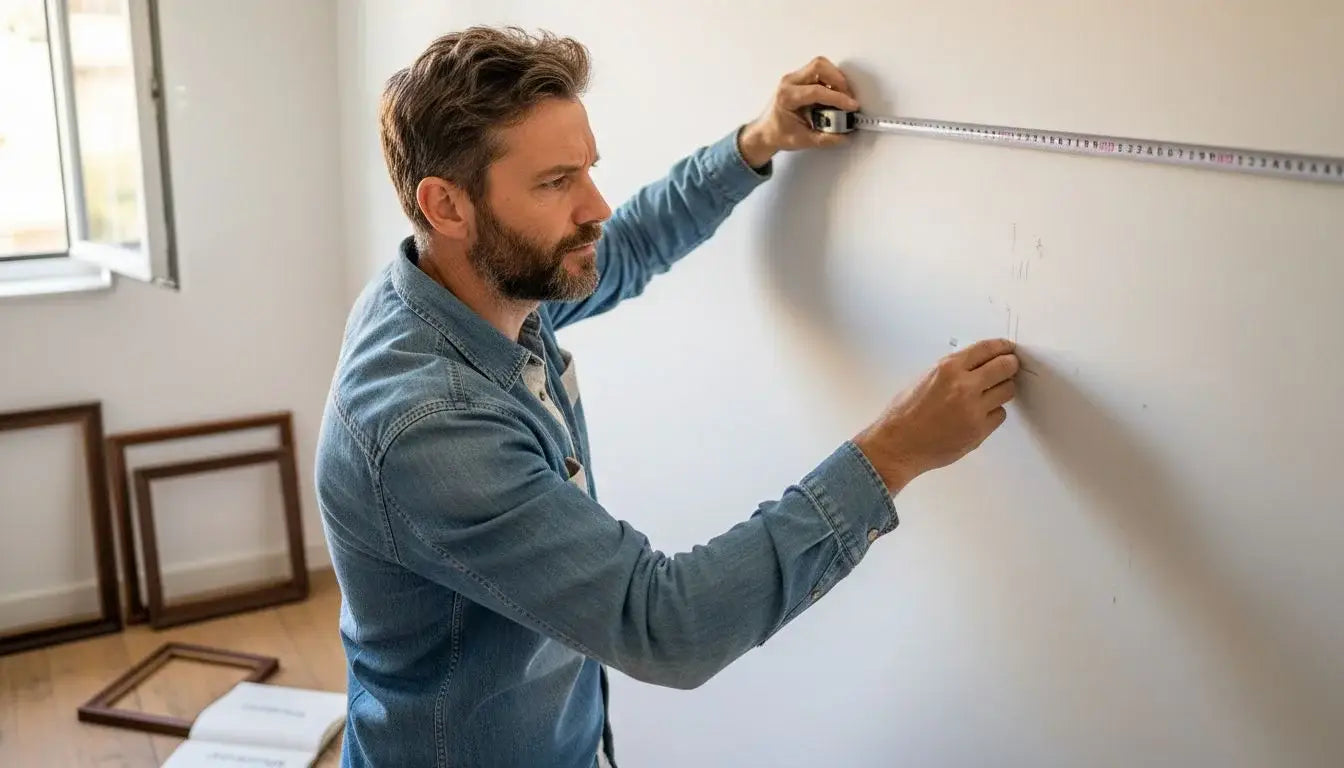
When choosing a frame size, also consider the art style. Minimalist abstract art often looks best in simple white or black frames, while traditional paintings or photographs can benefit from decorative wooden frames. The frame color should harmonize with your wall color and decor to best showcase the artwork.
Pro tip: Measure your wall space precisely beforehand and create a sketch or photo collage to virtually test different frame sizes. This will help you avoid buying the wrong size and find the perfect format for your artwork.
Step 3: Prepare printing and framing materials
This crucial step involves carefully preparing all the necessary materials for your art print. The Städel Museum offers comprehensive resources for material preparation that can provide valuable assistance in this process.
First, you'll need high-quality printing materials. Choose suitable paper or canvas that matches the quality of your art print. Pay attention to factors such as texture, weight, and color reproduction. For art prints, acid-free papers or professionally coated canvases are recommended, as these optimally showcase your image details and guarantee long-lasting durability.
For the frame, you should choose high-quality materials that are both aesthetically pleasing and functional. Wood, aluminum, and plastic are popular frame materials with different properties. Wooden frames add warmth and a natural feel, metal frames look modern and clean, while plastic frames are lightweight and easy to care for. Make sure that the frame can safely support the weight of your art print and won't cause any damage.
Here you will find an overview of the properties of different frame materials:
| Frame material | Optical effect | Care effort |
|---|---|---|
| Wood | Warm, natural | Regular dusting |
| aluminum | Modern, minimalist | Simply wipe clean |
| plastic | Neutral, versatile | Very easy to care for |
Pro tip: Buy your materials from specialized retailers and keep the original packaging and warranty certificates. This will help with any warranty claims and ensure the quality of your art print materials.
Step 4: Carefully mount the art print in the frame.
The mounting process of your art print is crucial for a professional final result. The Städel Museum offers detailed instructions for precise art mounting, which will help you execute each step perfectly.
First, carefully prepare your work surface. Lay down a clean, soft surface and clean the frame and the art print of any dust and dirt. Wear lint-free gloves to avoid fingerprints and damage. Ensure that the art print sits perfectly flat in the frame, without any creases or bulges. For canvas prints, it is recommended to carefully stretch the canvas to prevent any distortion.
When inserting the art print, you must proceed with utmost precision. Start at the back of the frame and position the print with millimeter accuracy. If necessary, use spacers or mounting clips to ensure a snug fit. Make sure the print is centered and straight; multiple adjustments may be necessary to achieve a perfect result.
Pro tip: Use a spirit level to ensure your art print sits perfectly straight in the frame. Even a slight tilt can be noticeable and distracting later on.
Step 5: Check precision and quality standard
The final step in your art print framing workflow is meticulous quality control. The Städel Museum offers comprehensive evaluation criteria for art prints to help you ensure the highest standards.
First, focus on visual precision. Examine your framed art print under different lighting conditions and from various angles. Pay attention to consistent color reproduction, sharp image details, and correct alignment. Check that the colors and contrasts match the original and that there are no printing errors or damage. Pay particular attention to the edge finish and the fit within the frame.
In addition to visual inspection, you should also examine the technical quality. Check the stability of the frame attachment, the tension of the print, and the alignment. Ensure that there are no air bubbles, creases, or distortions. The frame should fit snugly and evenly, without any deformations or irregularities.
Pro tip: Store the art print in a neutral location for a few hours and then look at it again with fresh eyes. This way you'll discover any small flaws you might have missed at first glance.
Step 6: Effectively present the framed artwork
The final step in your art print framing workflow is the artistic presentation that gives your work the attention it deserves. The Städel Museum offers helpful strategies for effective art presentation that will assist you in staging your artwork.
When placing a framed art print, consider the room's architecture and furnishings as a whole. Pay attention to the lighting, wall color, and furniture. A work of art shouldn't just be decorative; it should create a connection to the room and its inhabitants. Experiment with different heights and positions; a good rule of thumb is that the center of the picture should be placed at eye level.
Consider the emotional impact of your art presentation. The space surrounding the artwork is just as important as the picture itself. Create a context that makes the artwork shine through targeted lighting, the correct distance from the wall, or a harmonious frame created by other furnishings.
Pro tip: Take a photograph of your artwork and take a temporary step back. The photograph will help you objectively assess its impact and identify potential areas for improvement.
Master your art print framing workflow with art that touches your soul.
The article clearly demonstrates the importance of carefully selecting the motif, the frame, and professional mounting to perfectly showcase an art print. Many art lovers seek artistic expression that not only adorns walls but also evokes emotions and fills the space with meaning. This is precisely where Curiocanvas comes in: We combine poetic art with high-quality craftsmanship so you can realize your vision without compromise. Our collection, "Artwork as a mirror of your soul," offers a diverse range of motifs that unfold precisely this depth and soul in your rooms. Discover the Curiocanvas homepage.
Are you ready to not just frame your art print, but to make it an expression of your personality? Discover unique works with symbolic power in the "Symbol with soul and mystical power" category on Curiocanvas and let yourself be inspired. Take this opportunity to transform your walls into a poetic gallery. Start your journey to artistic interior design with soul today on Curiocanvas .
Frequently Asked Questions
How do I choose the right motif for my art print?
To choose the ideal art print motif, first analyze your personal preferences and the atmosphere you want to create in your room. Consider which colors and styles suit your decor and choose a motif that evokes your emotions.
Which frame sizes are best suited for my art print?
Choose a frame size that suits both your art print and the size of the room. Standard sizes like 50x70 cm or 70x100 cm work well, but experiment with unusual sizes to add a personal touch to your wall decor.
How do I prepare the printing materials for my art print?
Use high-quality printing materials, such as acid-free paper or coated canvases, to ensure the quality of your art print. Pay attention to the texture and weight of the paper to optimize the print's durability and appearance.
How do I properly mount my art print in the frame?
Ensure the art print sits flat and without creases in the frame during mounting. If necessary, use mounting clips or spacers to ensure the print is centered and straight within the frame.
What criteria should I consider when quality-controlling my art print?
Check both the visual accuracy and the technical stability of the framed art print. Pay attention to color consistency, image detail, and alignment within the frame, and ensure that everything is securely fastened.
How do I best display my framed art print?
Position the framed art print to complement the room's architecture and decor. Experiment with different heights and positions to showcase the image to its best advantage – ideally at eye level to maximize its impact.