


Consciously experiencing art: A guide to poetically designing spaces
Sometimes, it's only through the right artwork that an ordinary room is transformed into a place of inner reflection. For many introspective art lovers in Germany, the design of the environment is key to experiencing art not just visually, but also emotionally. A consciously furnished room and a carefully chosen symbolic artwork can serve as a gateway to deeper levels of consciousness and elevate personal spirituality to a new level.
Table of contents
- Step 1: Prepare your space for conscious art appreciation
- Step 2: Select the appropriate symbolic artwork
- Step 3: Create an aesthetically calm environment for the artwork
- Step 4: Immerse yourself in the artwork with focus and mindfulness.
- Step 5: Reflect on your feelings and experiences of meaning
Brief summary
| Important point | Explanation |
|---|---|
| 1. Room design is crucial | A well-thought-out room design promotes a welcoming atmosphere and supports the art experience emotionally and physically. |
| 2. Choose symbolic works of art | Works of art should offer emotional resonance and have personal meaning, not just be aesthetically pleasing. |
| 3. Create a calm environment | A harmonious and aesthetic environment enhances the impact of the artwork and promotes attention. |
| 4. Practice mindfulness | Focus on your breathing and inner reactions to perceive the artwork intensely. |
| 5. Reflect on your experiences | Take time to explore emotions, thoughts, and personal meanings after the art experience. |
Step 1: Prepare your space for conscious art appreciation
Conscious art appreciation begins with the careful design of your space. It's about creating an environment that invites you to experience art not only physically, but also emotionally.
First, focus on the atmosphere. A room should consider cultural dimensions of interior design that extend far beyond the physical environment. Pay attention to the following aspects:
- Lighting design : Prefer soft, natural light
- Noise level : Select minimal background noise
- Color harmony : Use neutral, calming colors.
- Furnishings : Reduced, open room layout
A conscious appreciation of art requires spaces that promote peace and concentration. Remove unnecessary distractions and create a meditative space for experience .
Here are key differences between the physical and spiritual dimensions of art perception:
| aspect | Physical dimension | Spiritual dimension |
|---|---|---|
| Interior design | Lighting, furniture, color choice | atmosphere for inner reflection |
| Effect on the viewer | Promoting concentration | Fostering reflection and depth |
| Goal | Optimal enjoyment | Personal Transformation |
Interior design is more than a physical arrangement – it is an invitation to an inner journey.
Pay particular attention to details such as suitable room preparation with sufficient space, good lighting and a calm atmosphere.
Pro tip: Experiment with minimalist elements and natural materials to create an authentic art atmosphere.
Step 2: Select the appropriate symbolic artwork
Choosing a symbolic work of art is a deeply personal and intuitive journey. It's not just about aesthetic beauty, but about an emotional connection that goes deeper than what is purely visible.
A symbolic work of art should consider the spiritual dimensions of art. Pay attention to the following criteria:
- Ambiguity : Does the work leave room for individual interpretations?
- Emotional resonance : Do you feel an immediate inner reaction?
- Metaphorical depth : Are there hidden levels of meaning?
- Personal meaning : Does the work touch your inner world?
Wassily Kandinsky recommended choosing works of art that are not only aesthetically pleasing, but also serve as a bridge to one's own consciousness .
Symbolic art is an invitation to inner dialogue - not just a picture on the wall.
Note that spiritual art appreciation means viewing a work of art as a window to deeper levels of experience.
Pro tip: Trust your first intuitive reaction when looking at a work of art - it often says more than rational analyses.
Step 3: Create an aesthetically calm environment for the artwork
The perfect aesthetic environment is more than a visual backdrop - it is a carefully composed atmosphere that brings the artwork to life and deepens your perception.
Begin with a cultural studies approach to spatial design , which considers not only physical but also emotional dimensions. Focus on the following aspects:
- Color harmony : Choose soft, neutral tones.
- Lighting : Use subdued, indirect light
- Open space : Create sufficient distance around the artwork.
- Acoustics : Create a tranquil soundscape
Conscious spatial design means developing aesthetic zones of concentration that put the artwork at the center.
A quiet environment is an invitation to inner contemplation.
Understand the space as a living organism that not only surrounds the artwork but also enhances and deepens its effect.
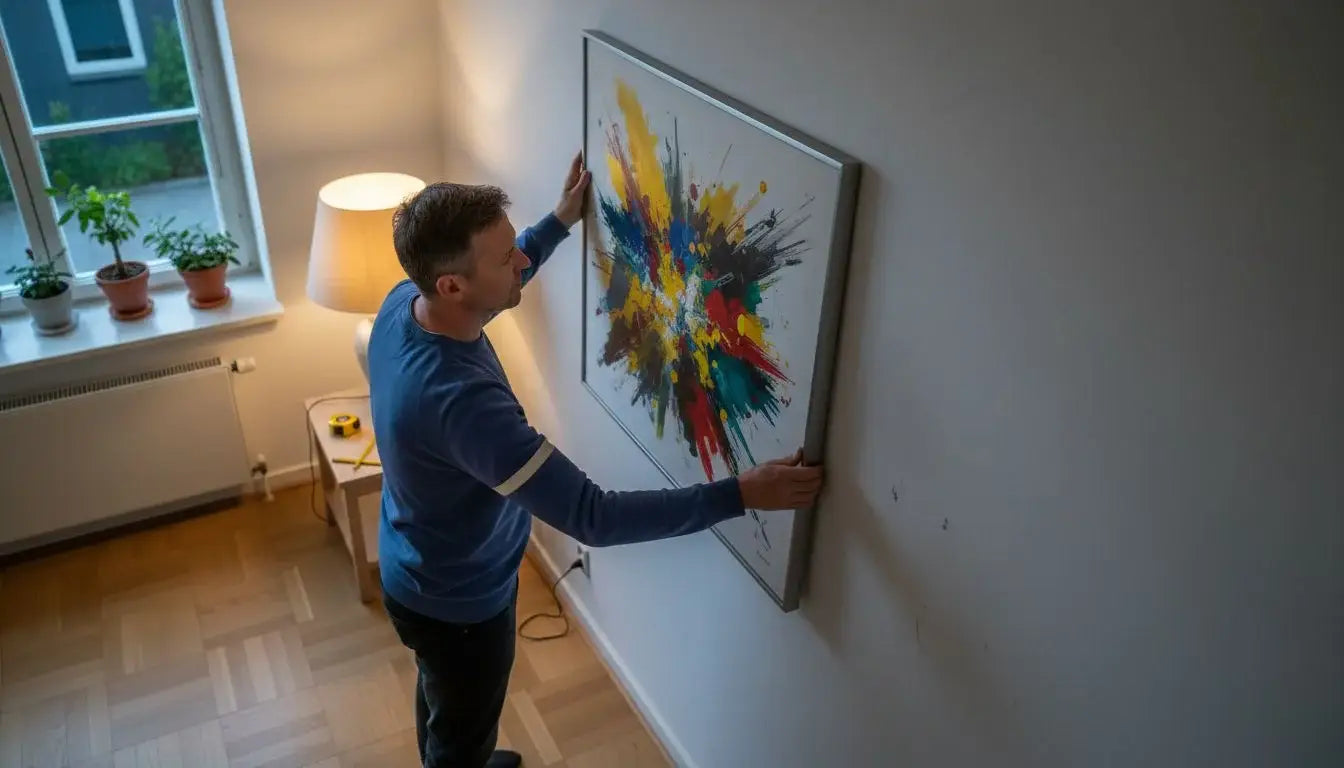
Pro tip: Experiment with minimalist elements and pay attention to the balance between emptiness and presence.
Step 4: Immerse yourself in the artwork with focus and mindfulness.
Consciously experiencing art is a journey of self-discovery. It's about establishing a deep connection between your inner experience and the artwork.
Begin mindful art appreciation by giving your full attention to the artwork. Focus on:
- Breathing : Consciously direct your breath towards the artwork.
- Details : Explore colors, lines, and textures
- Emotions : Observe your inner reactions without judgment.
- Presence : Stay in the present moment.
Following the recommendations of Thich Nhat Hanh, you can practice meditative art contemplation , which calms the mind.
Mindfulness is the bridge between seeing and experiencing.
Allow the artwork to communicate with you – beyond rational analysis.
Pro tip: Breathe deeply and slowly while looking at the artwork, and allow yourself to receive it without expectations.
Step 5: Reflect on your feelings and experiences of meaning
Reflecting on a work of art is a deeply personal journey of self-discovery. It's about exploring the inner resonances that the artwork evokes within you.
Begin structured art appreciation by consciously documenting your experience. Focus on:
- Emotional reactions : What feelings arise?
- Mental associations : What memories surface?
- Physical sensations : How does your body react?
- Personal levels of meaning : What significance does the work have for you?
Follow the museum's recommendation to focus on subjective art experience .
The deepest meaning of a work of art lies in its individual resonance.
Allow the artwork to communicate with you – beyond rational analysis and objective interpretations.
Pro tip: Take time for reflection and be patient with your own feelings.
This overview shows how the individual perception steps address different areas:
| Step | Focus area | Impact on the experience of art |
|---|---|---|
| Room preparation | surroundings and atmosphere | Increased calmness and openness |
| Artwork selection | Inner Resonance | Deep emotional connection |
| Create an aesthetic environment | Visual & acoustic influences | Enhancement of aesthetic effect |
| Mindful observation | Attention and presence | Intensified experience |
| reflection | Self-analysis and meaning | Integrative understanding |
Design spaces poetically with art from Curiocanvas
The conscious design of your space is central to a profound art experience. If you are looking for an aesthetically serene environment that amplifies your inner resonance and allows the artwork to act as an invitation to emotional reflection, Wall Art Gallery Flames Kisses Time and Compass – Curiocanvas offers precisely the right symbolic artworks. Our poetic and spiritual wall art creates spaces that are more than mere decoration – they open doors to an inner journey.
Immerse yourself in the world of artwork as a mirror of your soul. Discover the Curiocanvas homepage and transform your walls into personal expressions. Discover the power of art to fill your spaces with meaning and tranquility, and experience conscious art in a truly authentic way. Visit Curiocanvas and choose artworks that will poetically enhance your rooms and touch your heart.
Frequently Asked Questions
How do I design my space for conscious art appreciation?
Careful room design is crucial for a conscious appreciation of art. Pay attention to calming color choices, soft lighting, and a quiet soundscape. Remove distractions to create a meditative space.
What criteria should I consider when selecting a symbolic work of art?
Choose a work of art that evokes emotional resonance and leaves room for personal interpretation. Also consider metaphorical depth and personal meaning to forge a deeper connection with the piece.
How do I create an aesthetically calming environment for my artwork?
Use soft, neutral colors and subdued lighting to showcase the artwork. Also, ensure there is sufficient distance around the artwork to enhance its visual and auditory impact.
What does mindful art appreciation mean?
Mindful art appreciation means giving your full attention to a work of art. Focus specifically on details such as colors and textures, and observe your inner reactions without judging them.
How can I reflect on my experiences with the artwork?
Take time to document your emotional reaction, mental associations, and physical sensations. This will help you better grasp and understand the personal meaning of the artwork.
What role does spatial design play in the perception of art?
The spatial design creates an atmosphere that enhances the perception of art. A well-designed space contributes to a sense of calm and concentration, which intensifies the overall art experience.