


Art as a lifestyle explained: More meaning, more depth
More than 60 percent of Germans desire a living environment that not only looks beautiful but also reflects their soul and personality. Art as a lifestyle opens up new ways to consciously and creatively shape everyday moments. Those seeking aesthetic inspiration and appreciating authentic forms of expression will discover practical ideas here for enriching their lives with art and spirituality.
Table of contents
- What does art as a lifestyle really mean?
- Different forms and expressions in everyday life
- Spiritual and emotional motives in modern living
- Art as a means of self-expression and meaning-making
- Risks, common mistakes and how to avoid them
Key findings
| Point | Details |
|---|---|
| Art as a lifestyle | Art becomes a way of thinking and permeates all areas of life, so that every decision is consciously shaped. |
| Diversity of forms of expression | Everyday art can be found in interior design, fashion, music, and more, shaping our perceptions and emotions. |
| Art and self-expression | Artistic expression serves as a tool for self-exploration and offers space for individual reflection and development. |
| Risks of creative self-expression | External expectations and performance pressure can impair the creative process; authentic self-definition is crucial. |
What does art as a lifestyle really mean?
Art as a lifestyle goes far beyond traditional artistic forms of expression. It is a profound philosophy that understands life itself as a work of art. Practical philosophy understands this as the 'art of life,' which is about consciously giving meaning and purpose to one's own existence.
This holistic approach means viewing creativity not as a separate phenomenon, but as an integral part of our existence. Art permeates all areas of life and serves as a creative means to understand, interpret, and actively shape reality . It is about more than aesthetic production—it is a method of exploring ourselves and the world.
An artistic lifestyle means, specifically, permeating every action, every decision, and every experience with awareness, reflection, and intentionality. This includes conscious choices in areas such as home design, clothing, interpersonal relationships, and personal development. Art becomes a way of thinking, not just an object.
Pro tip: Start viewing every everyday situation as a potential canvas for self-design and develop a mindful, creative attitude.
Different forms and expressions in everyday life
Artistic expression permeates our everyday lives in diverse dimensions, far beyond traditional conceptions. Art encompasses numerous forms of expression such as painting, music, dance, and literature, enabling both aesthetic pleasure and emotional communication . It manifests itself not only in galleries but in every creative moment of our lives.
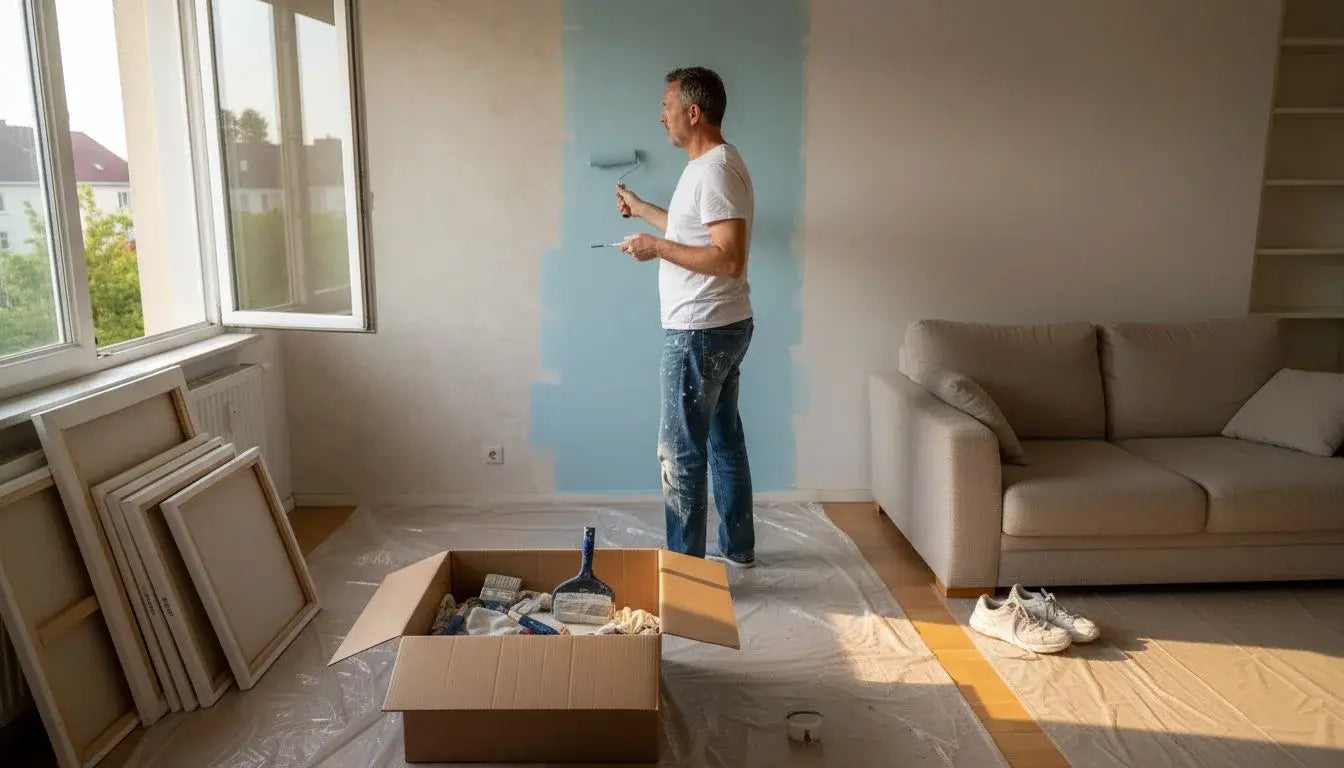
In daily life, art influences our perception and touches emotions through a wide variety of expressive channels . Specifically, this means: kitchen design, interior architecture, fashion as a personal statement, photography as a form of remembrance – all these areas are art forms that shape our everyday lives aesthetically and meaningfully.
The diversity of artistic expression ranges from the visual design of one's personal environment to the performative representation of one's own personality. Whether through interior design, music selection, writing style, or manner of movement – every person constantly creates an individual artistic narrative.
Pro tip: Discover a new creative way to express yourself in your environment every day and consciously experiment with different artistic impulses.
To better understand how art permeates different areas of life, the following table summarizes artistic forms of expression and their everyday influences:
| Form of expression | Impact in everyday life | Example of implementation |
|---|---|---|
| Interior design | Promotes creativity | Colored wall design |
| fashion | Personal identity formation | Individually chosen outfits |
| Music | Emotional mood shaping | Play favorite music |
| Write | Reflection and self-expression | diary or poetry |
| photography | Culture of remembrance and presence | Family photos or snapshots |
| Dance and movement | Spontaneous joy of life | Free dancing at home |
Spiritual and emotional motives in modern living
Modern living spaces are increasingly evolving into spiritual power places that are far more than mere rooms. They are transforming into personal memorials for inner development, where every element carries a deeper meaning and evokes emotional resonance. Artworks are no longer understood merely as decorative objects, but as windows to the soul.
Art in the home acts as an emotional catalyst, promoting psychological well-being and giving the space a unique personality . It allows for a subtle exploration of inner themes and societal narratives. A carefully chosen artwork can communicate more than a thousand words—it reflects values, dreams, and hidden feelings.
The design of one's personal space thus becomes a profoundly creative act of self-definition. Every piece of furniture, every artwork, and every color choice contributes to the narrative—an individual story of growth, vulnerability, and transformation. The living space becomes a three-dimensional metaphor for one's inner world, an intimate space for dialogue between person and environment.
Pro tip: Choose artworks and furnishings that not only appeal aesthetically, but also evoke an emotional response in you and reflect your personal development journey.
Art as a means of self-expression and meaning-making
Artistic expression is central to self-development because it allows people to make their feelings, thoughts, and identity visible. It functions as a kind of inner compass, helping us to decipher and understand complex emotions. Through creative processes, we can explore hidden aspects of our personality and give them form and voice.
The theory of the art of living underscores the importance of artistic practice as a means of self-reflection. It creates a framework within which people actively question their way of life, explore normative values, and develop their own individual systems of meaning. Art thus becomes a dynamic tool for self-knowledge that extends far beyond aesthetic production.
This form of self-expression is not about creating a perfect work of art, but about finding an honest, unpretentious expression. It's about the process, not the product—about the journey of self-discovery that helps us understand and integrate deeper layers of our existence.
Pro tip: Regularly set aside time for creative self-reflection, without pressure to perform - experiment with different forms of expression that make your inner voice resonate.
Risks, common mistakes and how to avoid them
Artistic self-expression requires awareness and reflection. A common misconception is to understand artistic practice solely as an academic tool, which can hinder artistic freedom and development . This often leads to a narrowing of creative potential and a loss of the original meaning of artistic expression.
The most serious risks arise from external expectations and performance pressure. Many people fall into the trap of viewing art solely as a product, rather than as a process of self-exploration. They compare themselves to unrealistic standards, define success by recognition and marketability, and in doing so lose their intrinsic motivation and joy in creative work.
To avoid these pitfalls, it is essential to develop an authentic and self-determined approach to art. This means detaching oneself from external judgments, remaining open to experimentation, and understanding the creative process as a dialogue with oneself. Art thrives on originality, not perfection—every mistake is an opportunity for growth.
Pro tip: Don't set rigid goals, but remain open to surprises and unexpected creative twists in your artistic expression.
The following overview shows common risks of creative self-development and practical strategies for overcoming them:
| risk | Typical mistake | Solution approach |
|---|---|---|
| Academic limitation | Art only as a scientific subject | Scope for free experimentation |
| External performance pressure | Success is defined solely by recognition. | Focus on personal development |
| Comparison with others | Originality is being questioned. | Seeing uniqueness as a strength |
| Product thinking | Creativity reduced to the final product | Appreciation of the creative process |
Bring art to life as a lifestyle within your own four walls.
The article clearly demonstrates how art as a lifestyle leads to greater meaning and depth by transforming our personal environment into an expression of our soul. Many yearn not only to decorate their living spaces but to fill them with emotional power and poetic significance. This is where Curiocanvas comes in, with artwork as a mirror of your soul. Discover our homepage, because our artworks are designed to make your personal story and creative self-expression visible.
Begin your journey to creating a living space that is not only beautiful but profound, with stylish canvases and frames that reflect your inner development and spirituality. Visit curiocanvas.de, discover timeless art with symbolic meaning, and transform your rooms into vibrant meeting places of aesthetics and soul.
Frequently Asked Questions
What does it mean to live art as a lifestyle?
Art as a lifestyle means integrating creativity and aesthetic principles into all areas of life, thereby consciously shaping every action and decision.
How can I incorporate art into my everyday life?
You can integrate art into your everyday life by making creative choices in areas such as home design, fashion, and interpersonal relationships, and by viewing everyday situations as opportunities for self-expression.
What role does art play in personal living spaces?
Art in the living space serves as an emotional catalyst, promoting psychological well-being and giving the room a unique personality and deeper meaning.
How can I foster my creative self-development?
Promote your creative self-development by regularly setting aside time for creative reflection and trying out different forms of expression without feeling pressure to perform.